
How Much Space Is Required for a Small Pool?
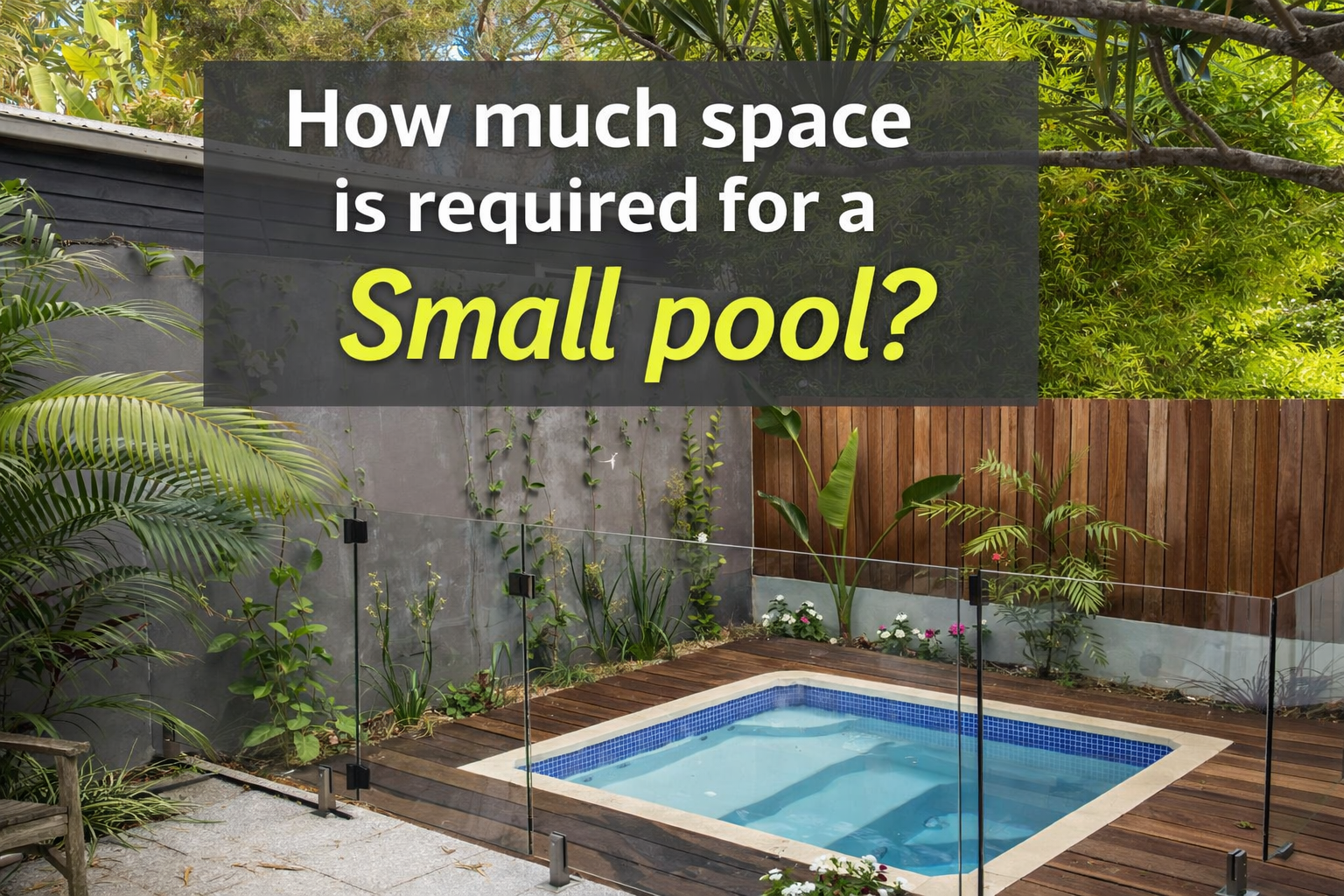
Many homeowners assume they need a large backyard to install a swimming pool—but that’s no longer true. Small pools and plunge pools are designed specifically for compact outdoor spaces, making them ideal for modern homes, townhouses, and coastal properties.
So, how much space is actually required for a small pool? Let’s break it down.
What Is Considered a Small Pool?
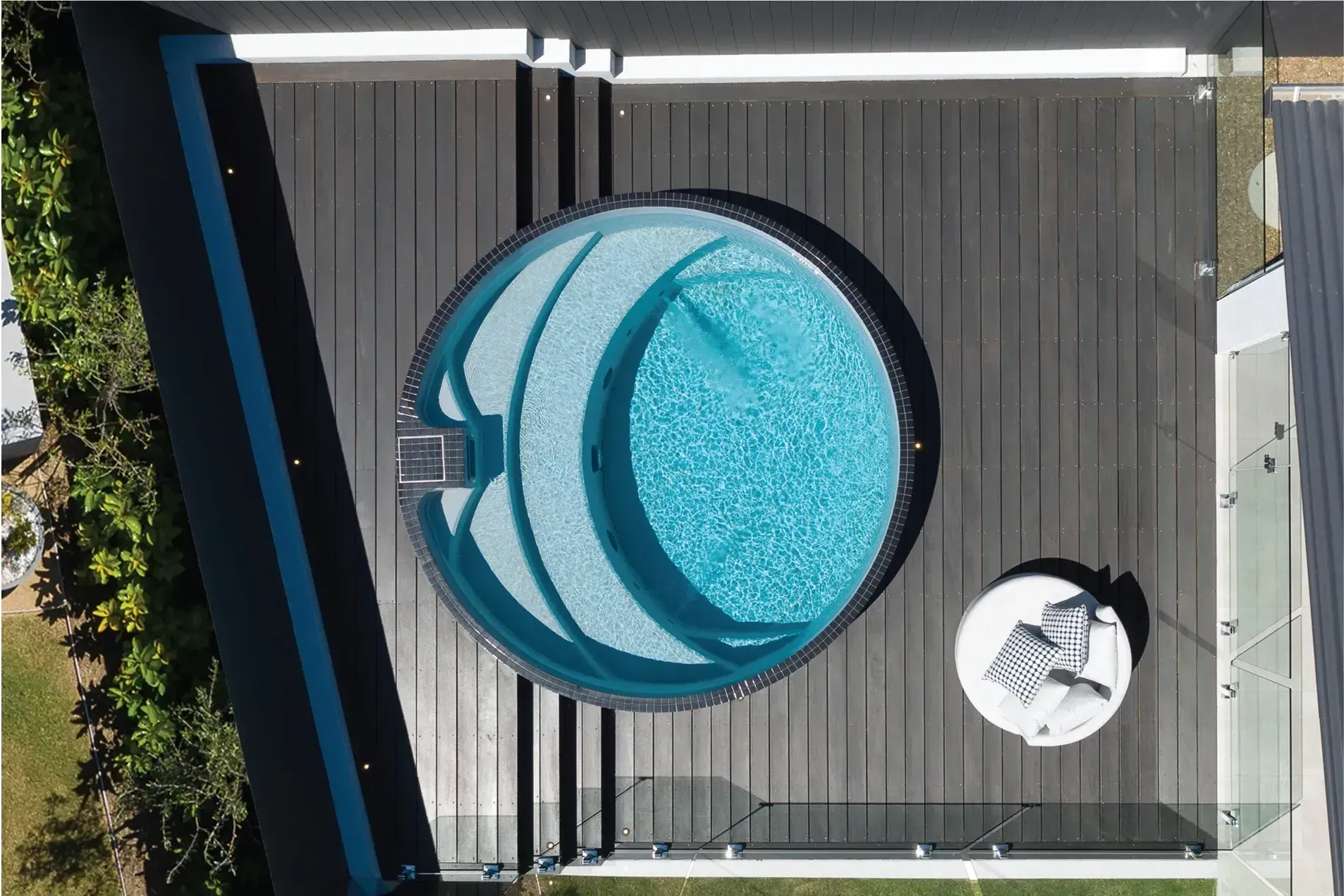
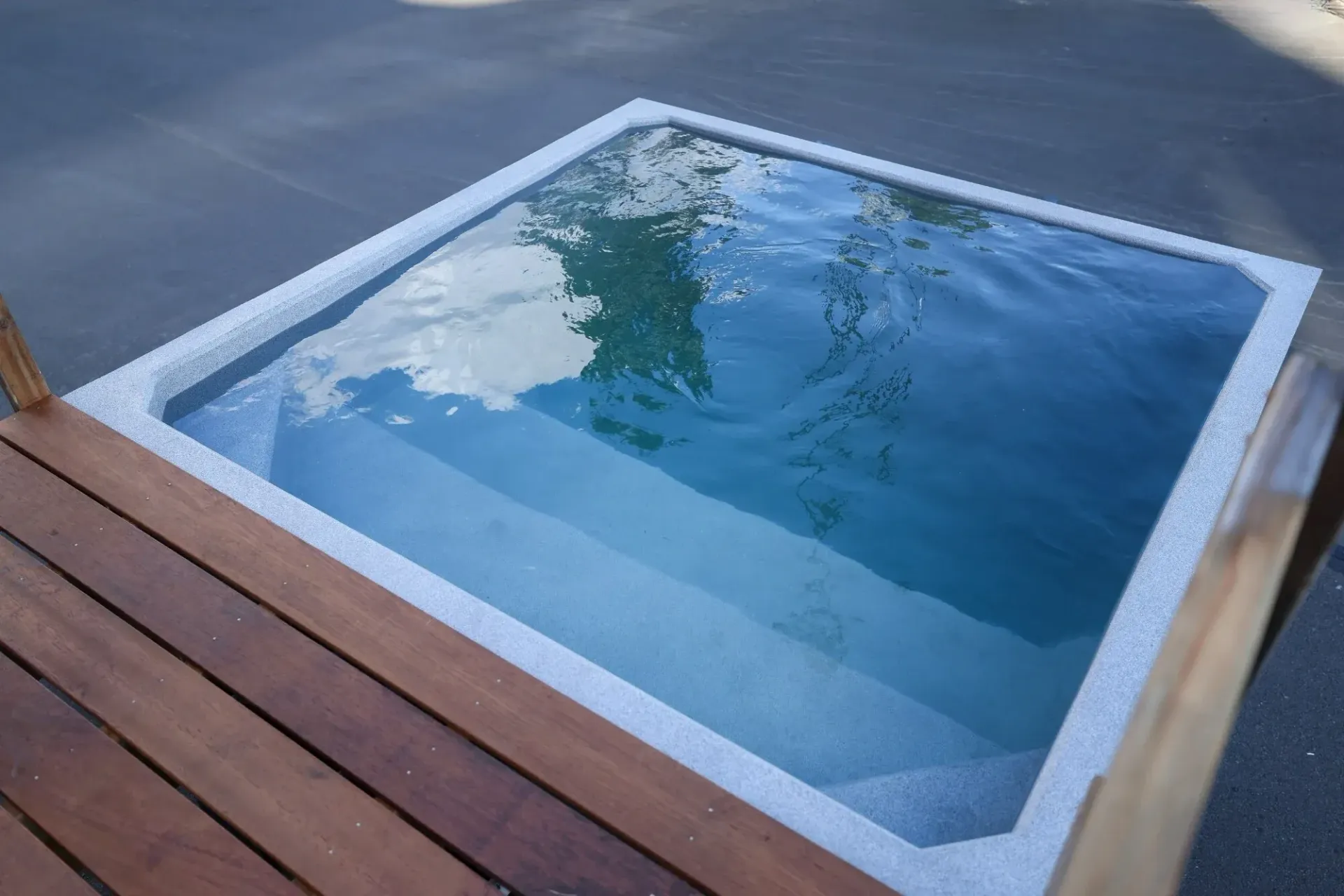
A small pool typically refers to any pool that prioritises relaxation and cooling rather than lap swimming. This includes plunge pools, compact concrete pools, and courtyard pools.
Common Small Pool Sizes
Most small pools fall within these dimensions:
Length: 2.5m – 5m
Width: 2m – 3m
Depth: 1.2m – 1.6m
In many cases, a small pool can be installed in an area as little as 7–12 square metres, depending on design and layout.
Total Space Needed Beyond the Pool Shell
The pool itself is only part of the equation. You’ll also need to account for surrounding space to meet safety and usability requirements.
Additional Space Considerations
Pool surrounds or decking
Mandatory pool fencing
Access for installation and maintenance
Council setback requirements
Most projects require:
500mm – 1m clearance around the pool
Space for compliant fencing and gates
Equipment placement (pump and filter)
A professional builder can design a layout that maximises space without compromising safety or style.
Can a Small Pool Fit in a Narrow Backyard?
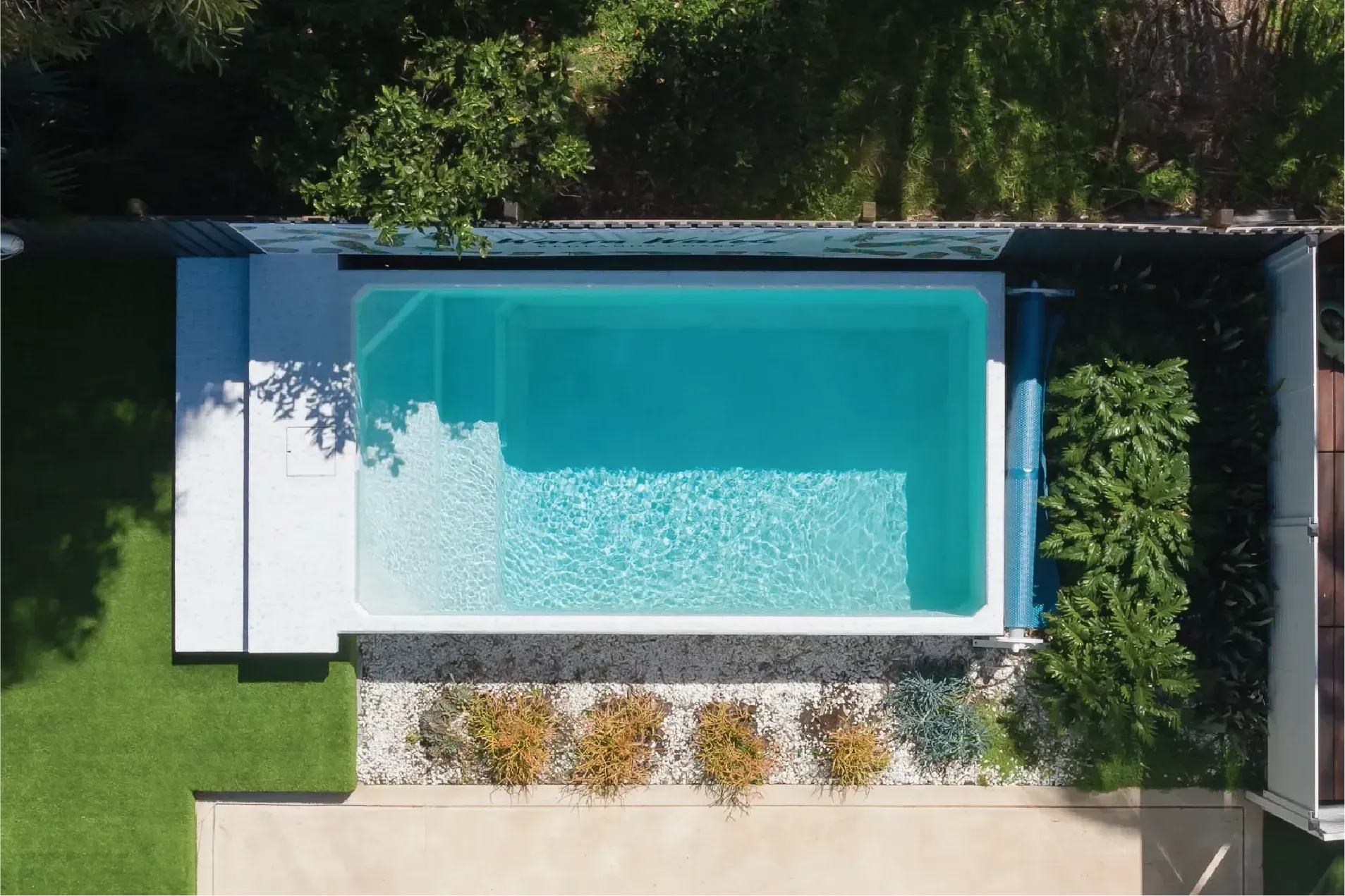
Yes. Small pools are ideal for narrow or awkward spaces where traditional pools won’t fit.
Popular layouts include:
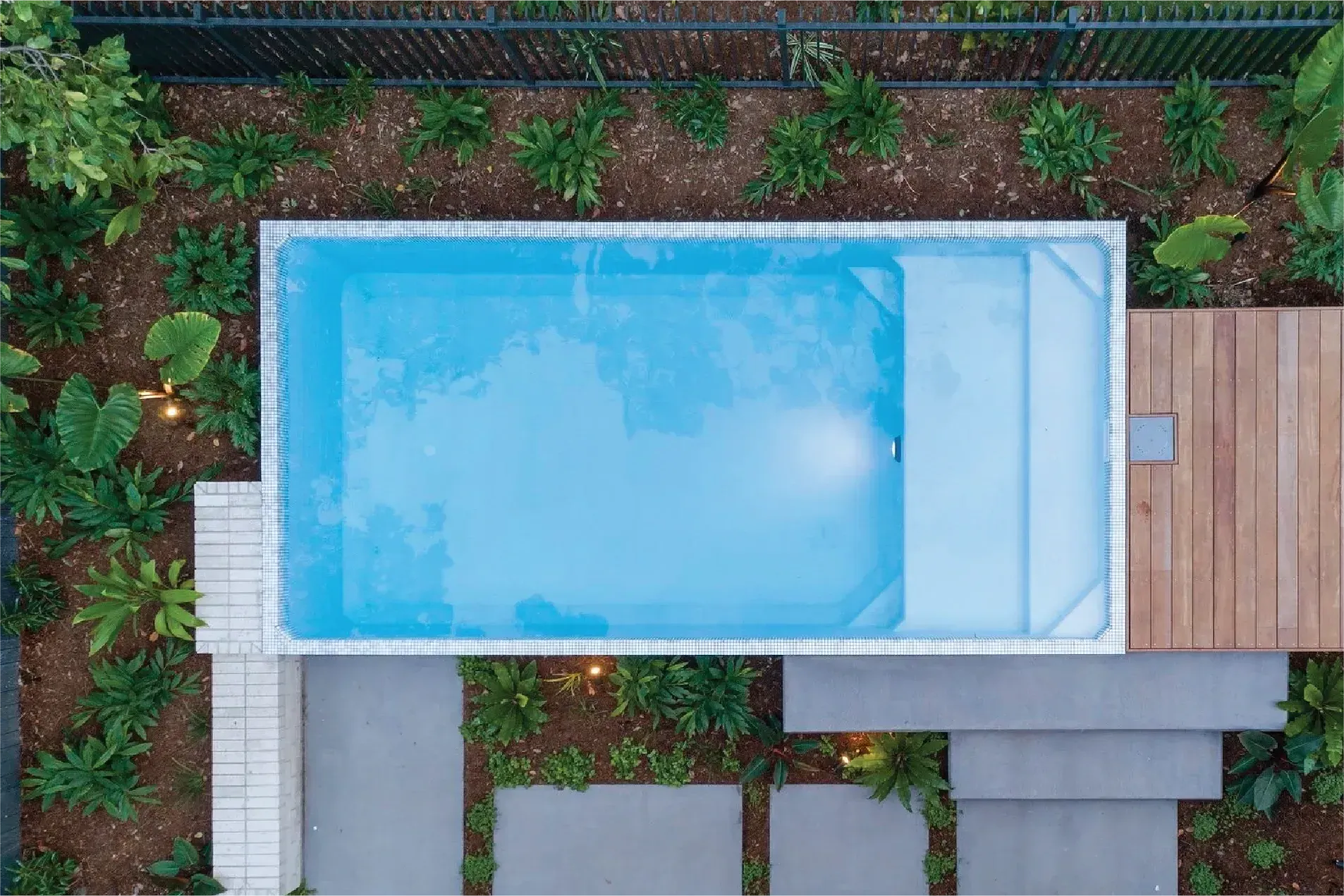
Long, narrow rectangular pools
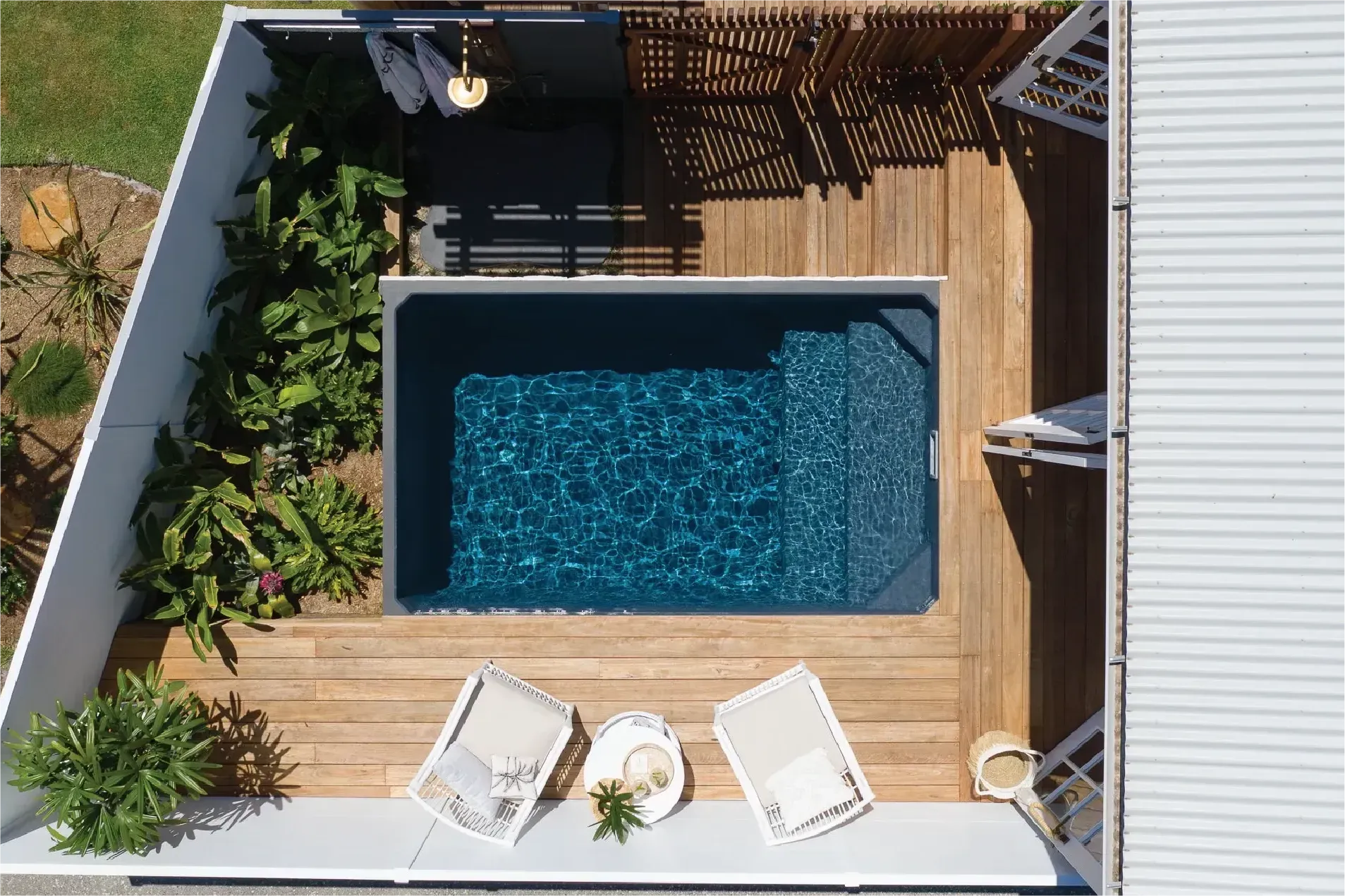
Square or corner plunge pools
Pools integrated with alfresco or patio areas
With the right design, even limited outdoor areas can feel open and luxurious.
Council Regulations and Setbacks
Local council regulations play a key role in determining how much space is required.
Typical considerations include:
Distance from property boundaries
Drainage and stormwater management
Pool fencing compliance
Easements and underground services
Regulations vary depending on property location and zoning, so it’s important to work with a local pool specialist who understands approval requirements.
Space-Saving Design Features
If space is tight, certain design choices can significantly reduce the overall footprint of a small pool.
Smart Design Options
Built-in bench seating instead of external steps
Vertical pool walls
Compact internal stairs
Raised or semi-above-ground designs
Integrated water features
These features allow you to enjoy comfort and functionality without needing a large area.
Installation Access Requirements
Even if the pool fits, access to your backyard must be considered.
Small pools can often be installed using:
Crane lifts
Side access
Modular construction methods
One of the biggest advantages of small pools is their flexibility, making them suitable for properties with limited access.
Is a Small Pool Right for Your Home?
A small pool may be ideal if:
Your backyard is limited in size
You want lower maintenance and running costs
You prefer relaxation over lap swimming
You want to maximise outdoor living space
Small pools offer a balance of luxury, practicality, and affordability.
Frequently Asked Questions
What is the smallest pool size allowed?
This depends on council regulations and safety requirements, but many small pools start around 2.5m x 2m.
Do small pools require fencing?
Yes. All pools must meet local pool fencing laws, regardless of size.
Are small pools cheaper than standard pools?
Generally, yes. Smaller size usually means lower construction, water, and maintenance costs.
Can small pools be heated?
Yes. Heating systems can be installed to allow year-round use.
Final Thoughts
You don’t need a large backyard to enjoy the benefits of a swimming pool. With thoughtful design and professional planning, a small pool can fit comfortably into compact spaces while still delivering style, comfort, and value.
If you’re considering a small pool or plunge pool, consulting an experienced local builder is the best way to determine what’s possible for your space.