BLOG

By Julian fiverr February 11, 2026
If you own a swimming pool—or you’re planning to install one—you may have heard the term hydrostatic valve mentioned by pool builders or inspectors. But what exactly is a hydrostatic valve, and does your pool really need one? Understanding this small but critical component can help protect your pool structure and save you from costly repairs in the future. What Is a Hydrostatic Valve? A hydrostatic valve (also known as a hydrostatic relief valve) is a safety feature installed in some swimming pools to relieve groundwater pressure beneath the pool shell. When groundwater builds up under an empty or partially drained pool, it can create enough pressure to cause the pool to lift, crack, or shift. A hydrostatic valve automatically opens to allow water to flow into the pool, equalising pressure and preventing structural damage. Why Is a Hydrostatic Valve Important? Groundwater pressure is one of the most common causes of pool damage, especially in areas with: High water tables Heavy rainfall Coastal or low-lying land On the Gold Coast, fluctuating groundwater levels can increase the risk of hydrostatic pressure, making this valve an important consideration for many pool owners. Without a functioning hydrostatic valve, a pool that is drained for maintenance or renovations can literally pop out of the ground—a problem known as “pool popping.” Do All Pools Have a Hydrostatic Valve? No, not all pools are fitted with hydrostatic valves. Whether your pool has one depends on: The type of pool (concrete, fibreglass, or plunge pool) Local building codes at the time of construction Soil conditions and groundwater levels The builder’s design approach Concrete pools are more likely to include hydrostatic valves, while some fibreglass or smaller plunge pools may use alternative drainage solutions. How Can You Tell If Your Pool Has a Hydrostatic Valve? In most cases, hydrostatic valves are located: At the deepest point of the pool In the main drain at the pool floor To check safely: Look for a round or slotted fitting in the main drain Consult your pool’s construction plans Ask a qualified pool professional to inspect it ⚠️ Important: Never attempt to remove or tamper with a pool drain yourself, especially if the pool is empty. What Happens If a Pool Doesn’t Have One? If a pool lacks a hydrostatic valve—or if the valve is blocked or faulty—it may be vulnerable when: The pool is drained Heavy rain increases groundwater pressure Repairs or renovations are underway Potential risks include: Cracked pool shell Structural movement Complete pool lift Costly repairs or rebuilds This is why professional advice is essential before draining any pool. Do Plunge Pools Need a Hydrostatic Valve? Plunge pools are smaller, but that doesn’t mean hydrostatic pressure isn’t a concern. Depending on: Ground conditions Pool depth Construction method A plunge pool may still require a hydrostatic valve or an alternative pressure-relief system. An experienced plunge pool builder will assess the site and recommend the safest solution. Can a Hydrostatic Valve Be Added Later? In some cases, yes—but it depends on the pool’s construction. Retrofitting a hydrostatic valve into an existing pool can be complex and may involve: Cutting into the pool floor Structural assessment Professional installation If you’re unsure, a pool specialist can advise whether your pool is adequately protected or if upgrades are recommended. When Should You Be Concerned? You should seek professional advice if: You plan to drain your pool You notice cracks or movement Your property has poor drainage Your pool is older and documentation is unclear A quick inspection can prevent major long-term issues. Final Thoughts A hydrostatic valve may be small, but it plays a critical role in protecting your pool from underground water pressure. Whether you already own a pool or are considering a new plunge pool installation, understanding how hydrostatic protection works is essential. If you’re unsure whether your pool has a hydrostatic valve—or whether your site requires one—consulting an experienced pool professional is always the safest option.
By Julian fiverr February 11, 2026
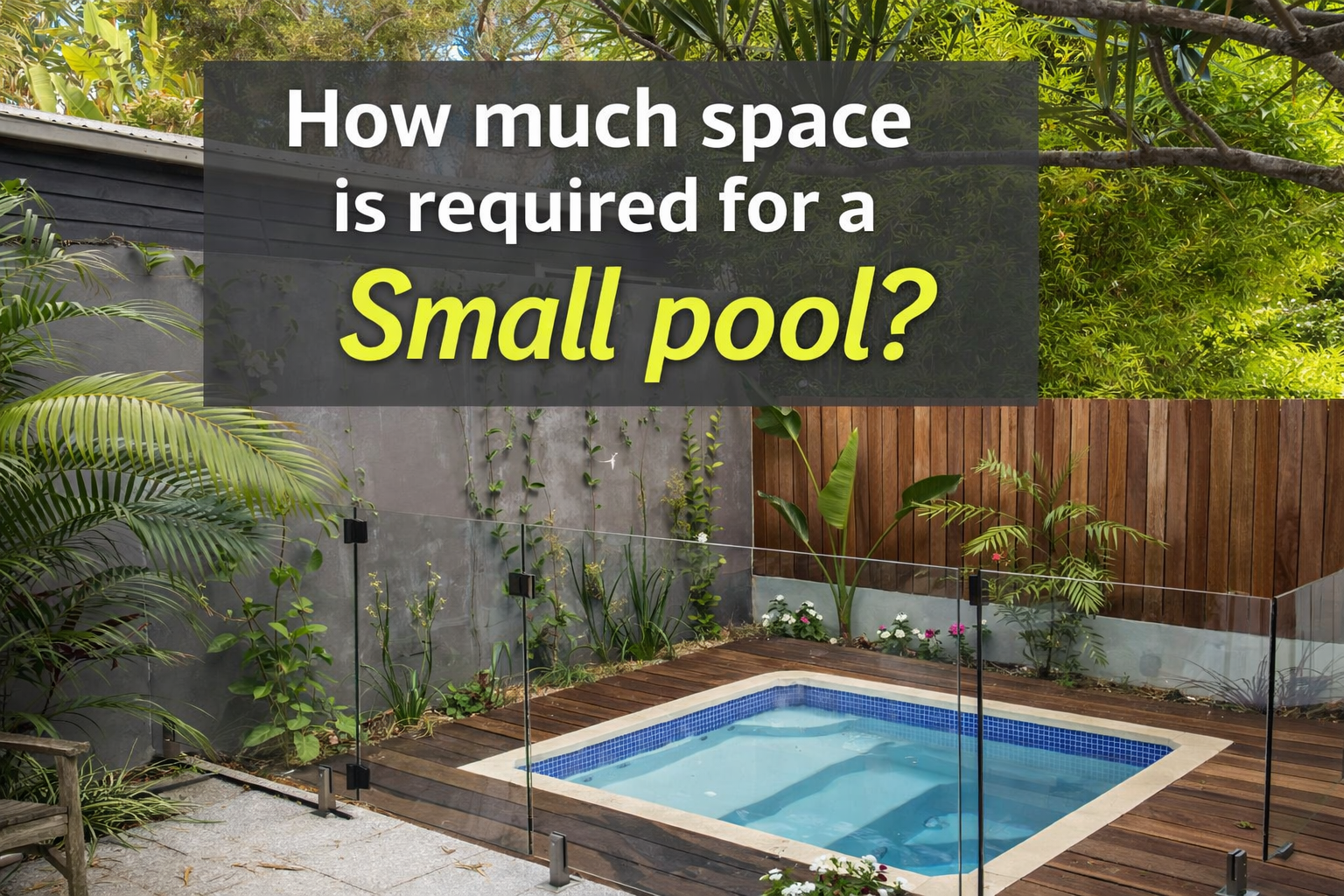
Many homeowners assume they need a large backyard to install a swimming pool—but that’s no longer true. Small pools and plunge pools are designed specifically for compact outdoor spaces, making them ideal for modern homes, townhouses, and coastal properties. So, how much space is actually required for a small pool? Let’s break it down. What Is Considered a Small Pool? A small pool typically refers to any pool that prioritises relaxation and cooling rather than lap swimming. This includes plunge pools, compact concrete pools, and courtyard pools. Common Small Pool Sizes Most small pools fall within these dimensions: Length: 2.5m – 5m Width: 2m – 3m Depth: 1.2m – 1.6m In many cases, a small pool can be installed in an area as little as 7–12 square metres, depending on design and layout. Total Space Needed Beyond the Pool Shell The pool itself is only part of the equation. You’ll also need to account for surrounding space to meet safety and usability requirements. Additional Space Considerations Pool surrounds or decking Mandatory pool fencing Access for installation and maintenance Council setback requirements Most projects require: 500mm – 1m clearance around the pool Space for compliant fencing and gates Equipment placement (pump and filter) A professional builder can design a layout that maximises space without compromising safety or style. Can a Small Pool Fit in a Narrow Backyard? Yes. Small pools are ideal for narrow or awkward spaces where traditional pools won’t fit. Popular layouts include: Long, narrow rectangular pools Square or corner plunge pools Pools integrated with alfresco or patio areas With the right design, even limited outdoor areas can feel open and luxurious. Council Regulations and Setbacks Local council regulations play a key role in determining how much space is required. Typical considerations include: Distance from property boundaries Drainage and stormwater management Pool fencing compliance Easements and underground services Regulations vary depending on property location and zoning, so it’s important to work with a local pool specialist who understands approval requirements. Space-Saving Design Features If space is tight, certain design choices can significantly reduce the overall footprint of a small pool. Smart Design Options Built-in bench seating instead of external steps Vertical pool walls Compact internal stairs Raised or semi-above-ground designs Integrated water features These features allow you to enjoy comfort and functionality without needing a large area. Installation Access Requirements Even if the pool fits, access to your backyard must be considered. Small pools can often be installed using: Crane lifts Side access Modular construction methods One of the biggest advantages of small pools is their flexibility, making them suitable for properties with limited access. Is a Small Pool Right for Your Home? A small pool may be ideal if: Your backyard is limited in size You want lower maintenance and running costs You prefer relaxation over lap swimming You want to maximise outdoor living space Small pools offer a balance of luxury, practicality, and affordability. Frequently Asked Questions What is the smallest pool size allowed? This depends on council regulations and safety requirements, but many small pools start around 2.5m x 2m. Do small pools require fencing? Yes. All pools must meet local pool fencing laws, regardless of size. Are small pools cheaper than standard pools? Generally, yes. Smaller size usually means lower construction, water, and maintenance costs. Can small pools be heated? Yes. Heating systems can be installed to allow year-round use. Final Thoughts You don’t need a large backyard to enjoy the benefits of a swimming pool. With thoughtful design and professional planning, a small pool can fit comfortably into compact spaces while still delivering style, comfort, and value. If you’re considering a small pool or plunge pool, consulting an experienced local builder is the best way to determine what’s possible for your space.
By Julian fiverr February 11, 2026
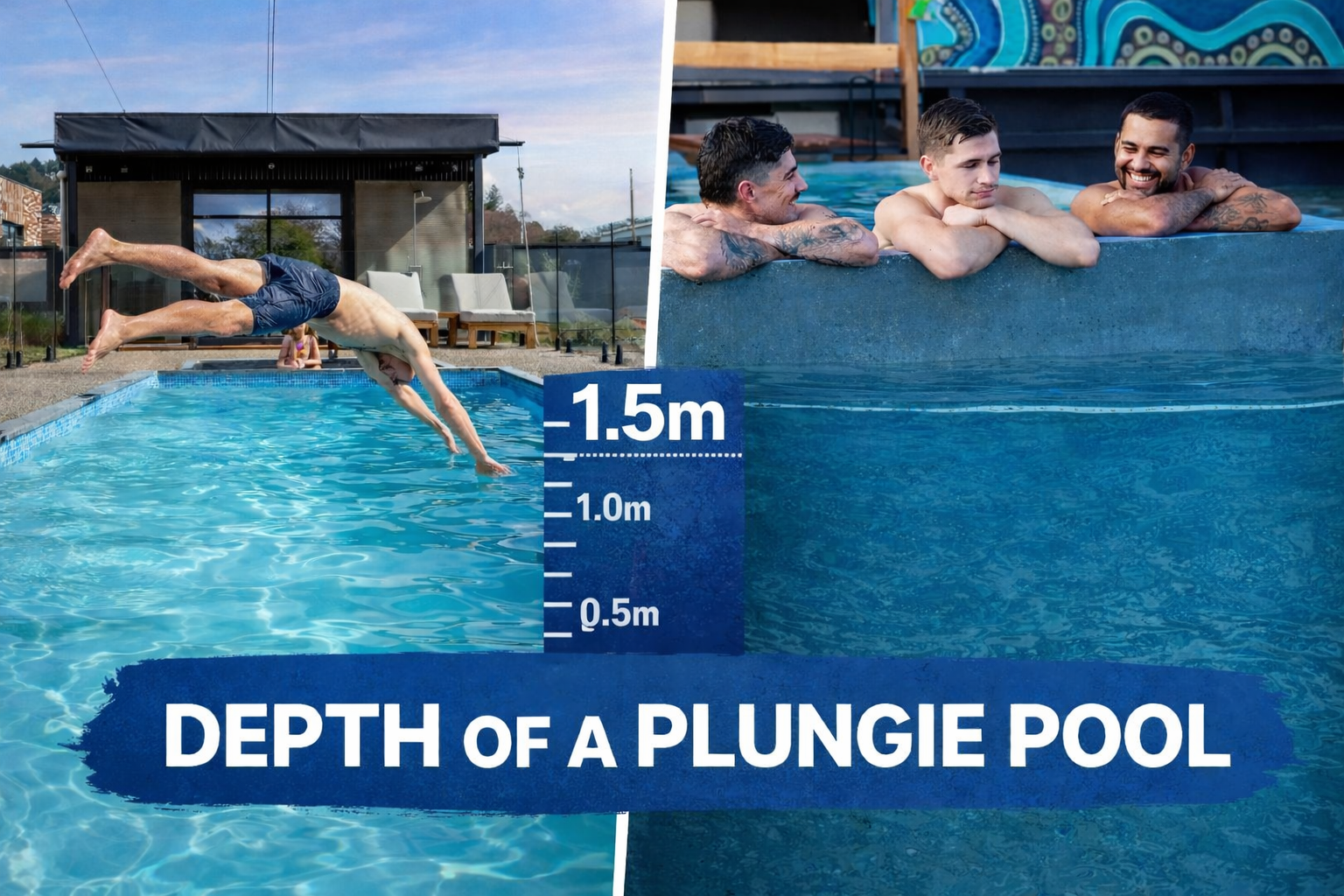
When planning a plunge pool, one of the most common questions homeowners ask is: what is the depth of a plunge pool? The answer depends on the specific plunge pool model and design. Unlike traditional swimming pools, plunge pools are designed for relaxation and cooling, and their depth can vary depending on manufacturer specifications and site requirements. Plungie Pool Depth Explained Plungie pools are available in different models, and depths vary across the range. Rather than a single standard depth, Plungie pools are designed to suit different backyard sizes, uses, and installation conditions. Most Plungie models typically fall within a depth range of approximately: 1.2m – 1.5m, depending on the specific model This allows homeowners to choose a plunge pool that best suits: Comfort preferences Safety considerations Backyard layout Council and site requirements For exact depth specifications, it’s always best to refer to the individual Plungie model details. Are All Plungie Pools the Same Depth? No. Not all Plungie pools are 1.5m deep. Each Plungie model has its own design and dimensions, which may include: Slightly shallower depths for certain layouts Consistent depth throughout the pool Built-in seating that affects usable depth A professional installer can help determine which Plungie model is best suited to your space and needs. Why Depth Varies Between Plungie Models Depth differences exist to: Suit different backyard sizes Improve safety and usability Reduce excavation requirements Comply with site and council conditions This flexibility is one of the reasons Plungie pools are popular for small and modern backyards. Choosing the Right Depth for Your Plunge Pool When selecting a plunge pool depth, consider: Who will be using the pool How the pool will be used (cooling, relaxing, soaking) Safety and access needs Installation conditions Getting professional advice ensures the pool depth matches both your lifestyle and your property.
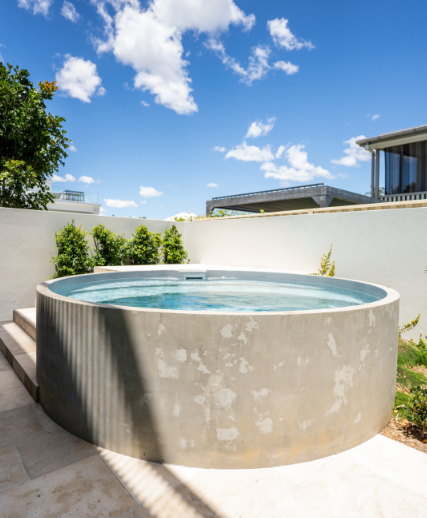
Circular concrete plunge pool outdoors with blue water, steps, and white wall under a blue sky.
July 18, 2025
Yes, concrete plunge pools can be installed above ground or in-ground. Ideal for patios, rooftops, and sloped blocks. Learn more with Aquaman Installations.
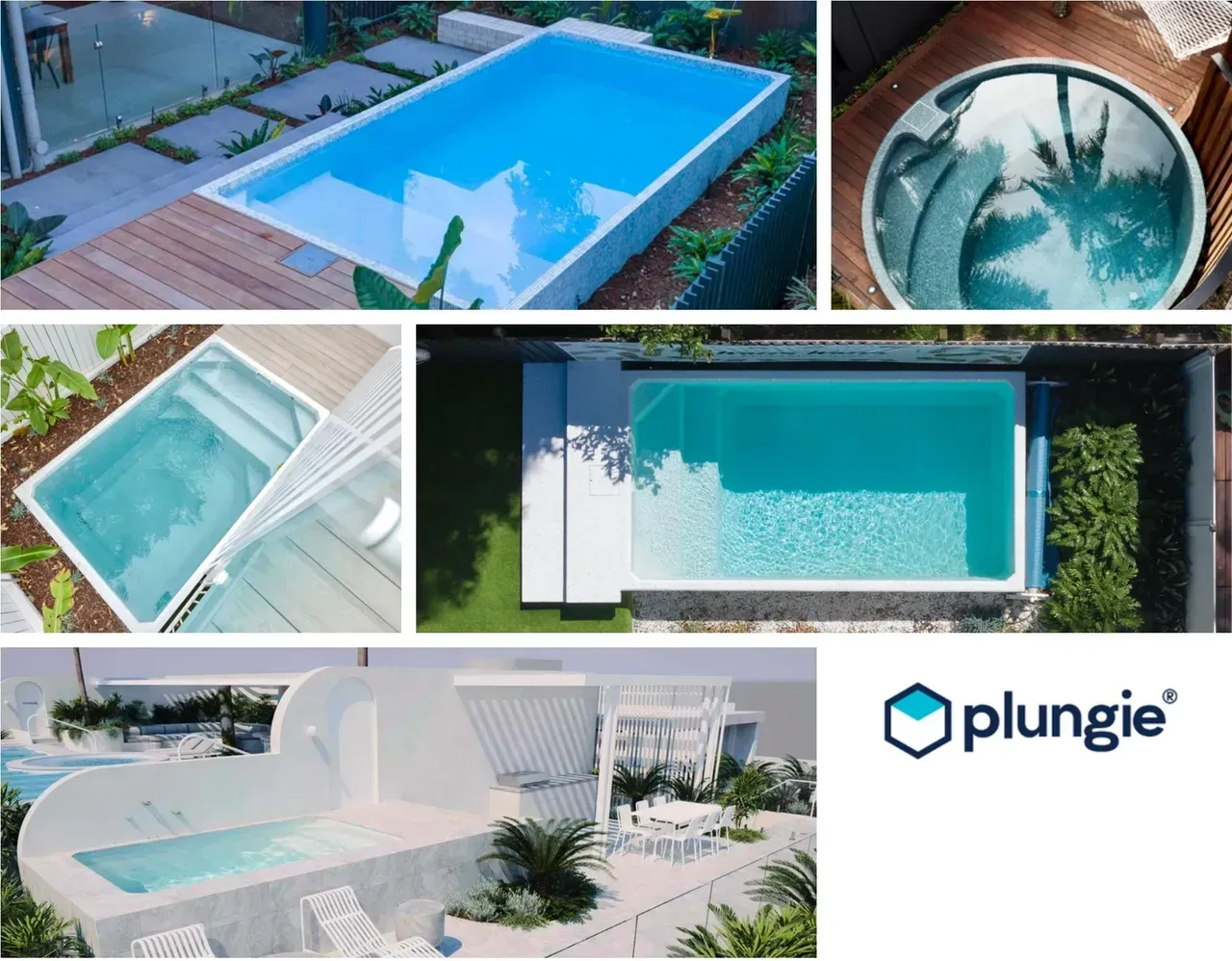
A collage showcases various white Plungie pools in diverse outdoor settings, featuring rectangular and circular designs with
July 18, 2025
Compare vinyl, fiberglass, and precast concrete plunge pools in QLD. Learn 2025 costs and benefits. Fast Plungie installs—enquire with Aquaman Installations.
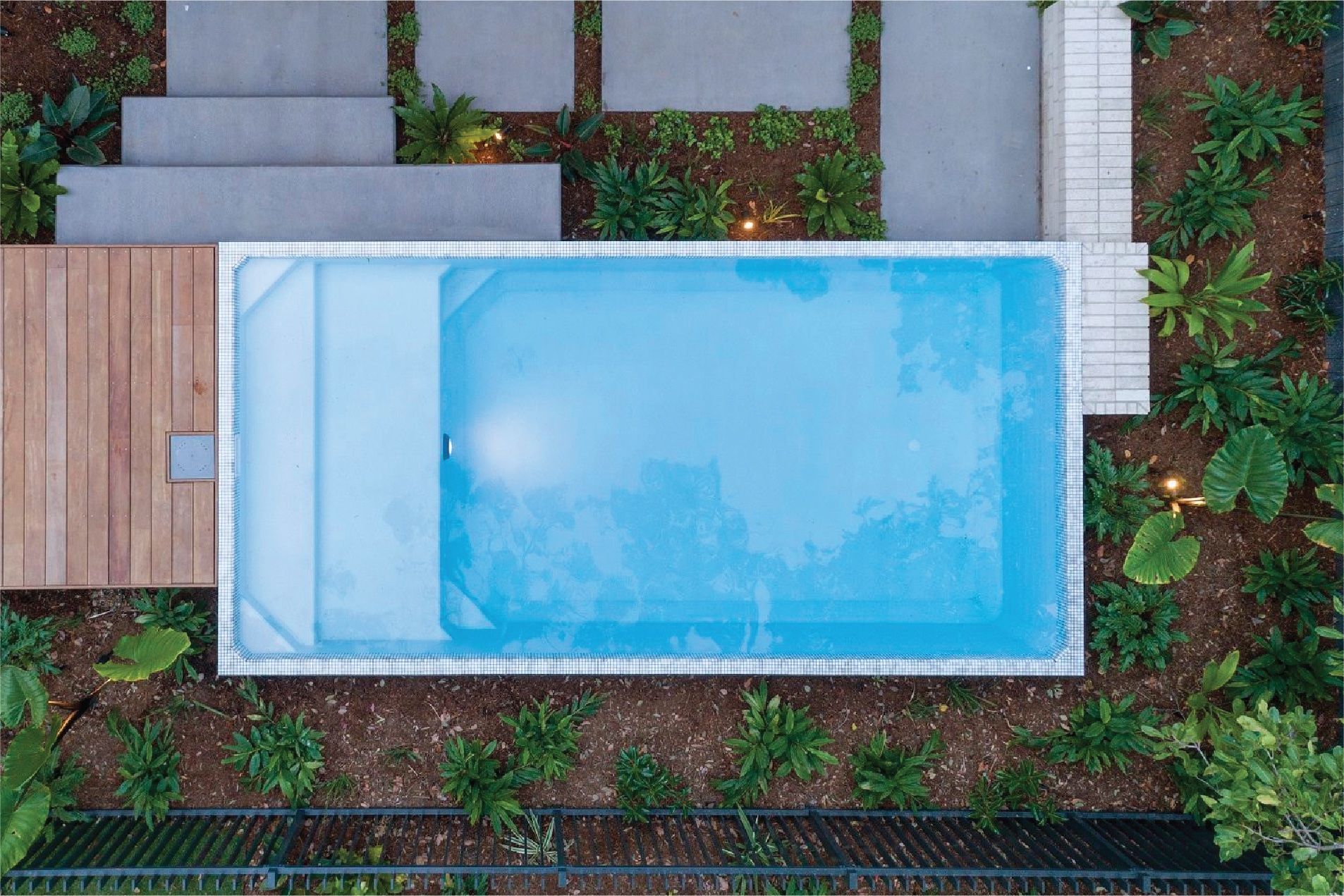
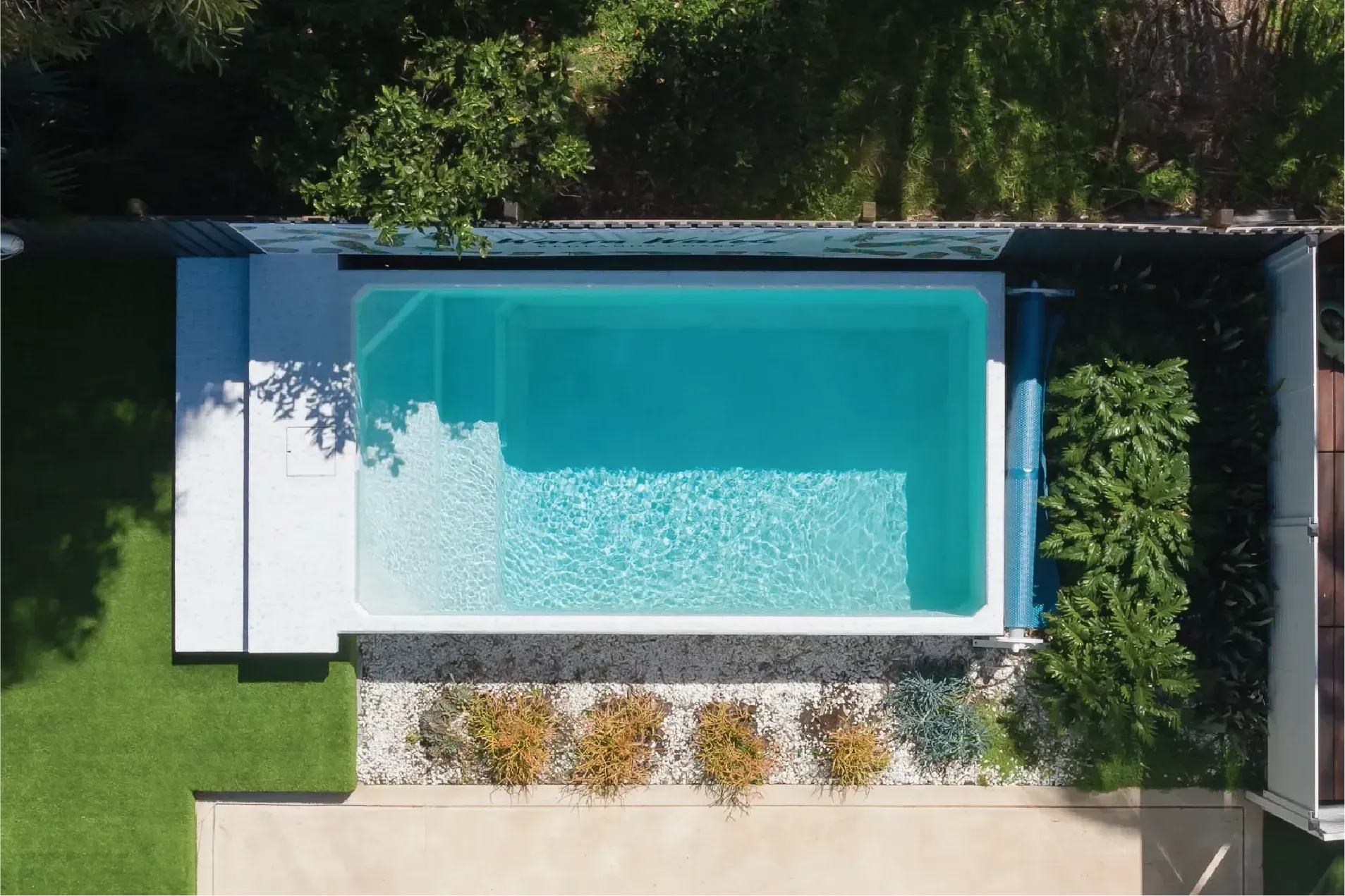
Overhead view of a rectangular pool surrounded by a wooden deck, concrete steps, and lush greenery in a residential backyard.
July 18, 2025
Aquaman Installations delivers Australia’s largest 6x3m precast plunge pool. Fast, fixed-price installs across Brisbane, Gold Coast & Sunshine Coast.

Logo for Plungie Partner, featuring a geometric emblem and the brand name in navy with a teal accent.
July 18, 2025
Being a "Plungie partner" involves being part of a network of trusted professionals capable of installing Plungie pools, which are pre-cast concrete plunge pools designed for quick and easy installation. This partnership is designed for various professionals like builders, architects, and developers, enabling them to expand their services, maintain control over their projects, grow their businesses, and provide their clients with a fast and efficient way to install high-quality concrete pools. As partners, professionals have the opportunity to take control of the pool installation process, reducing the need for additional trades and equipment on site, thereby streamlining their projects. Furthermore, as a Plungie partner, professionals can access ongoing support and resources from Plungie to ensure successful pool installations. This includes assistance in selecting the appropriate Plungie model (such as Arena, Studio, Original, or Max), choosing interior coating colors, and deciding on other finishes and accessories to meet the client’s needs and preferences, ensuring a customised and high-quality end product
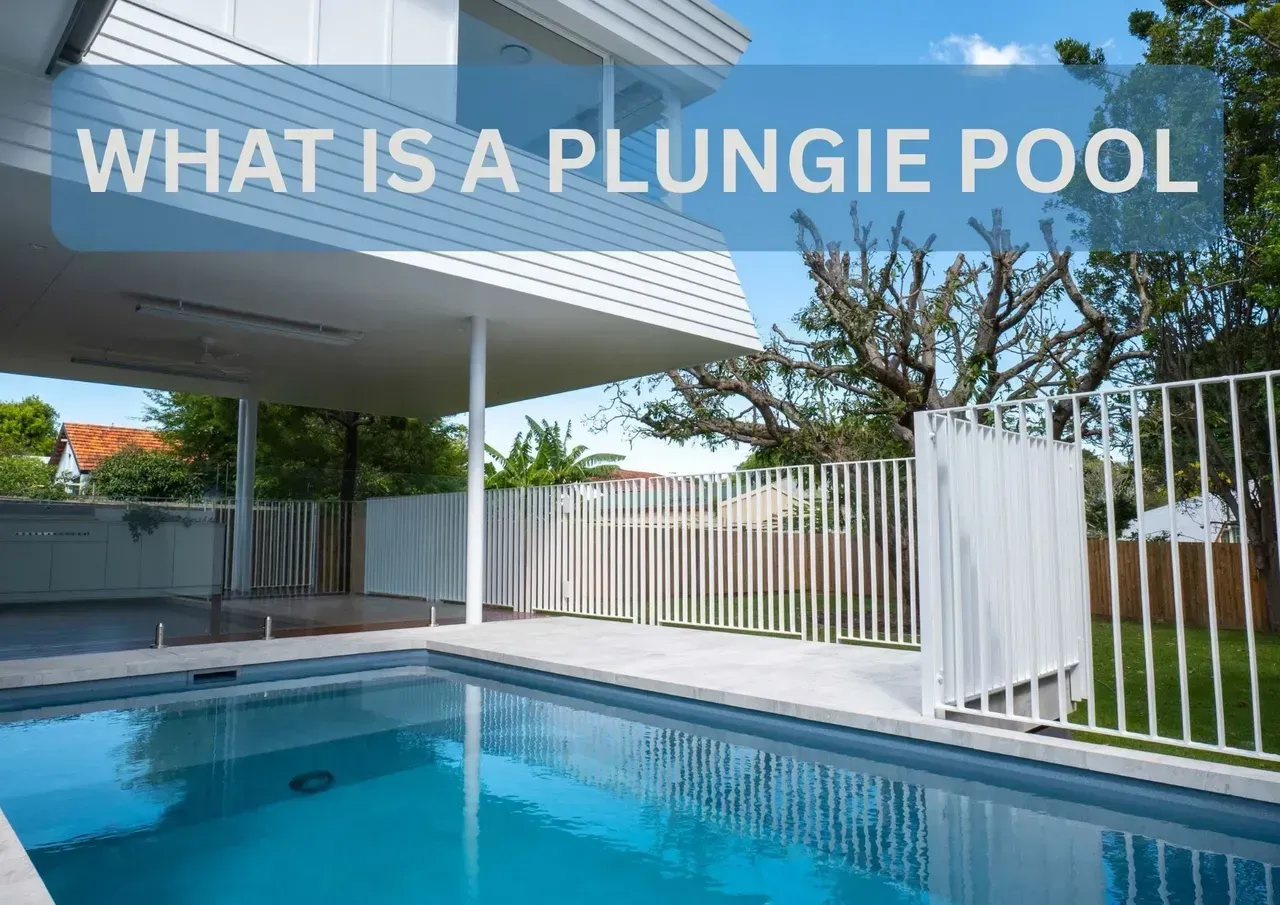
A modern home with a rectangular plunge pool. The turquoise pool is in front of a white patio with a white fence on the side.
July 18, 2025
A plunge pool is surrounded by a white fence in front of a house.